Loungers Al Fresco: Elevating Your Outdoor Relaxation Game - Outdoorium

Loungers Al Fresco: Elevating Your Outdoor Relaxation Game

A sun lounger can fit comfortably on paper and still feel awkward once it is reclined, occupied and surrounded by other furniture. This planning guide focuses specifically on where and how to position outdoor loungers around Australian pools, patios, balconies and gardens rather than repeating a general lounger buying guide.

Start with the in-use footprint

Measure the lounger at its longest usable position, not only its upright dimensions. Allow space to approach the seat, adjust the backrest where applicable and move around it without blocking doors, steps or main circulation routes.

Poolside lounger planning

Pool areas need clear movement routes as well as space for the furniture itself. Check the product's exposure and care guidance for the intended location, and keep placement consistent with any requirements that apply to the pool area and surrounding access.

Browse Outdoorium's Sun Loungers when comparing dimensions for a poolside layout.

Patios and covered alfresco areas

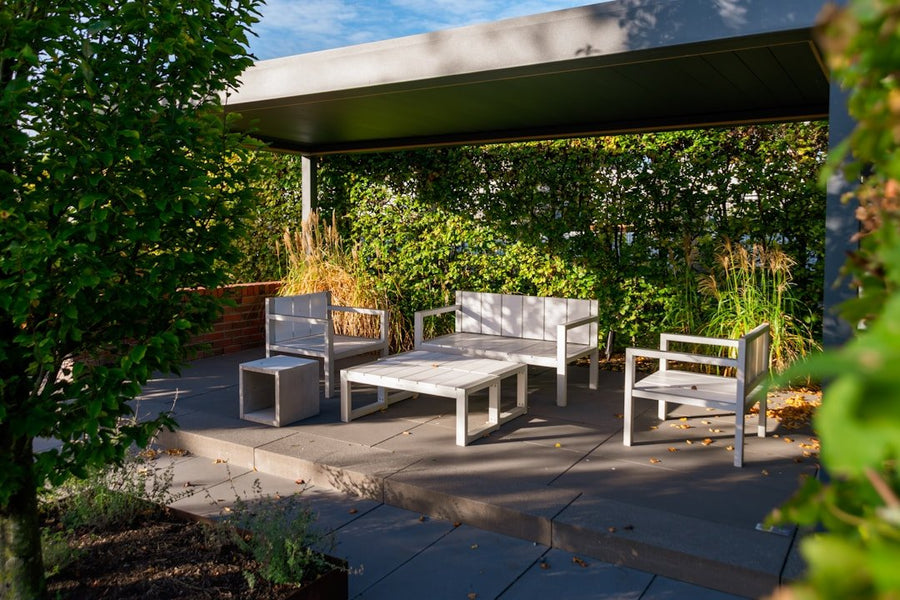
Under a patio, consider columns, doors, BBQ zones and dining-chair movement before positioning loungers. A pair of loungers may work better along the quieter edge of the area than across a route used for serving food or accessing the backyard.

Balconies and compact courtyards

In smaller spaces, overall length and turning room matter more than seat count. Folding or stackable designs can be useful where those features are included, but check the exact dimensions and storage position before ordering.

Plan shade with the lounger layout

Consider how the sun moves through the area during the times the loungers will actually be used. If an outdoor umbrella provides shade, allow for its base, mast, canopy movement and operating space rather than treating it as an afterthought.

Explore current Outdoor Umbrellas where a movable shade solution suits the site.

Side tables and practical reach

A small table can be useful for drinks, books or sunscreen, but it adds to the total footprint. Position it without narrowing the main walkway or encouraging items to be placed where they can fall into a pool or obstruct access.

Wind, exposure and storage

Lightweight furniture may need different management in exposed locations, while cushions can have separate rain and storage requirements from the frame. Follow the manufacturer's instructions for the exact lounger and any associated cushions or covers.

Use the buying guide for product selection

If you are still deciding between adjustable loungers, daybeds and other reclining designs, read Outdoorium's Outdoor Loungers buying guide. This article is intended to complement it by helping you plan the space once you understand the type of lounger you need.

For broader furniture sizing and material guidance, use the Outdoor Furniture Australia Guide.