Beyond Grey: Embracing Earth Tones & Sustainable Luxury in 2026
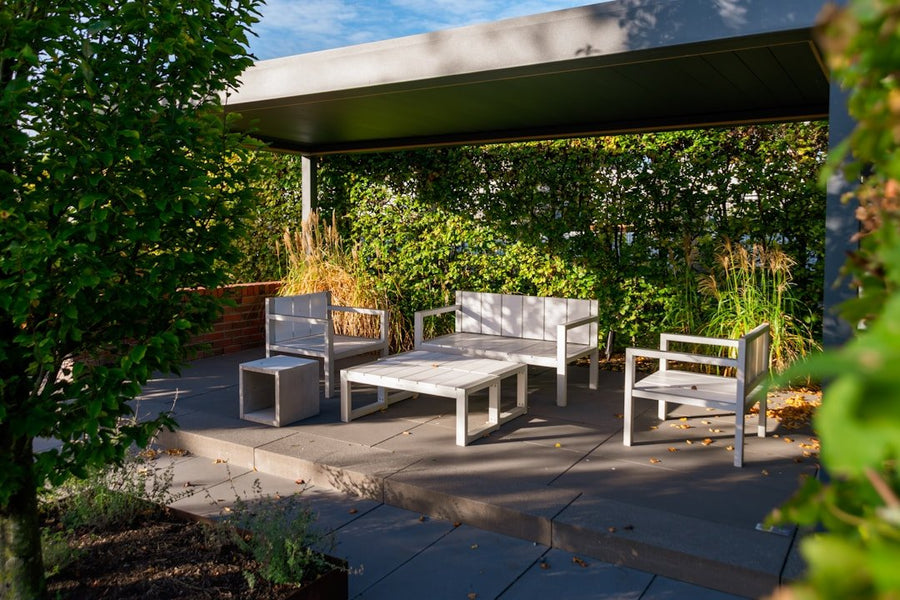
For the last decade, Australian backyards have been dominated by the "Industrial Chic" look: cool greys, sharp aluminium lines, and monochromatic black-and-white palettes. But as we settle into 2026, the forecast has shifted dramatically.
This year, outdoor living is softening up. We are seeing a massive move toward Biophilic Design—spaces that don't just sit in nature but feel like a seamless extension of it. The result? A warmer, more grounded aesthetic that prioritizes sustainability and comfort over stark minimalism.
Here is how you can bring the 2026 "Sustainable Luxury" look to your outdoor space.
1. The "Warmth" Revolution: Why Grey is Out
If 2025 was the year of the "Bento Box" layout, 2026 is the year of the Earth Tone Palette. The cool, detached greys are being replaced by rich, comforting hues that reflect the Australian landscape.
-
The New Neutrals: Think less "Concrete Grey" and more "Hog Bristle," "Sand," and "Mocha." These warmer bases make large outdoor spaces feel more inviting and intimate.
-
Accent Colours: We are seeing a surge in deep Terracotta, Eucalyptus Green, and Burnt Orange. These tones work beautifully with timber decking and natural stone, grounding your furniture in its environment.
Style Tip: If you have existing grey pavers or decking, warm up the space by swapping out cool-toned cushions for ones in textured creams, rusts, or olive greens.
2. "Buy Well, Buy Once": The Era of Sustainable Luxury
Sustainability is no longer a buzzword; it’s the primary marker of quality in 2026. Australian homeowners are moving away from "fast furniture" that needs replacing every two years, opting instead for materials that withstand our harsh climate while treading lightly on the planet.
-
High-Performance Rope: One of the biggest trends is the use of Olefin rope and weaves. Made from upcycled materials, this marine-grade rope is soft to the touch (like indoor wool) but completely resistant to UV fading and moisture. It adds texture without the maintenance of traditional wicker.
-
Reclaimed Teak: There is a renewed appreciation for silver-aged, reclaimed teak. It offers instant character and ensures no new trees were felled for your dining table.
-
HDPE Composites: High-Density Polyethylene (often made from recycled milk jugs) is the "forever material" for heavy-duty items like Adirondack chairs. It doesn't rot, crack, or require oiling, making it perfect for coastal Aussie homes.
3. Softening the Edges: The Curved Furniture Trend
To match the organic color palette, furniture shapes are becoming more organic, too. The rigid, boxy frames of the past are being smoothed out.
-
Curved Silhouettes: Look for dining chairs with rounded backs, circular coffee tables, and sofas with soft, sweeping arms. These shapes mimic natural forms (stones, leaves, clouds) and help break up the straight lines of fences and pergolas.
-
Tactile Textures: Smooth metal is being covered or replaced by tactile materials—rough-sawn timber, woven rope, and textured fabrics that invite touch.
Conclusion: A Natural Evolution
The 2026 trends aren't about reinventing the wheel; they're about returning to what feels good. By embracing warmer tones, softer shapes, and materials that last, you create an outdoor sanctuary that serves you for years to come.
Ready to warm up your patio? Explore our latest collection of earth-toned, sustainable pieces at Outdoorium.